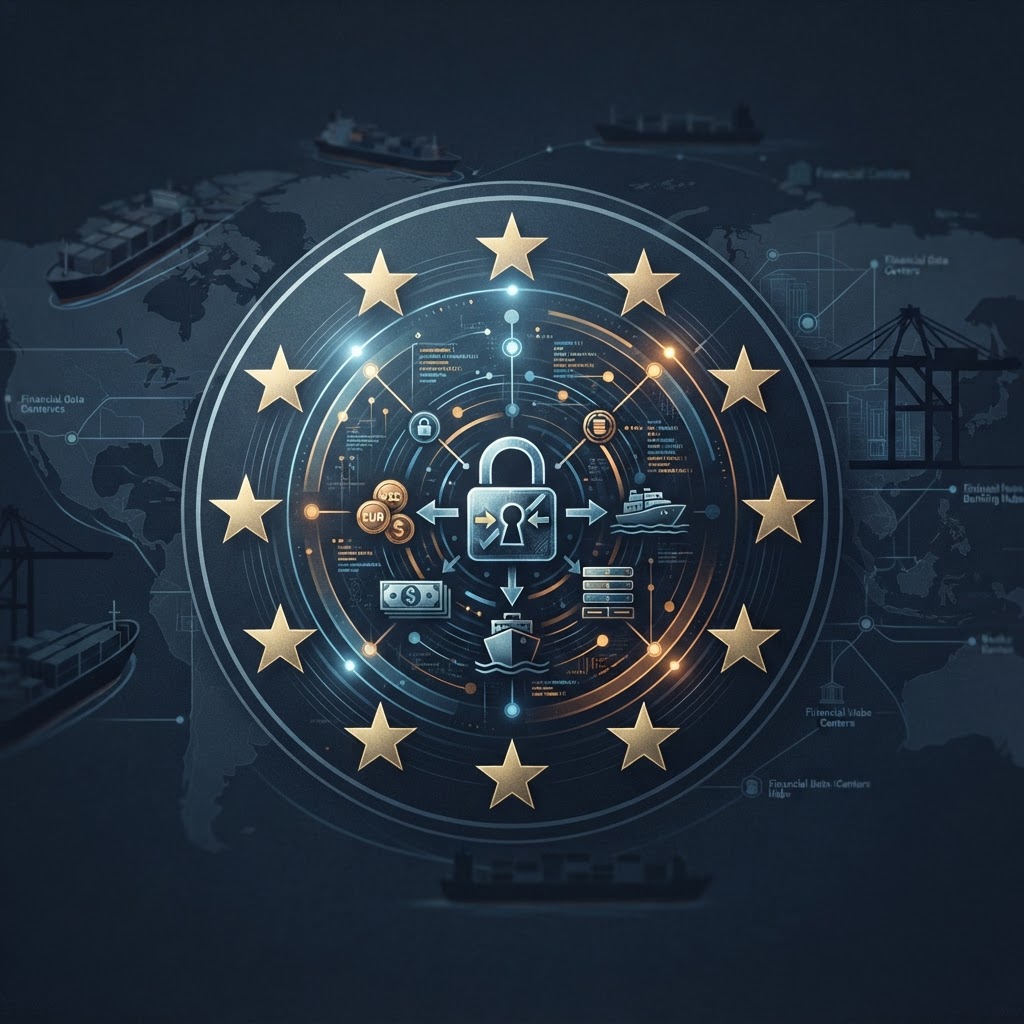
EU Envoys Approve 1,646 New Russia Sanctions Designations
EU member-state ambassadors agreed to add 1,646 people and entities to Russia-related sanctions lists, according to Reuters. The ambassador-level agreement marks a major expansion, while formal adoption and publication remain the next procedural steps.
European Union member-state ambassadors agreed on 7 October to add 1,646 people and entities to the bloc’s Russia-related sanctions listings, Reuters reported, citing diplomats. The decision would represent one of the largest additions to the EU’s sanctions registers since Russia’s full-scale invasion of Ukraine.
What the agreement means
New listings generally bring asset freezes and restrictions on making funds or economic resources available to designated individuals and organisations. The exact obligations depend on the final legal act and the entry for each person or entity. The reported count is 1,646 designations; further details about targets and the legal basis should be checked against the official documents once published.
The ambassador-level agreement is a significant political step, but it is distinct from formal adoption and publication by the Council. Companies, banks and other regulated organisations should therefore consult the EU’s authoritative sanctions register and applicable legal texts rather than relying solely on the reported agreement.
Why the scale matters
The EU’s sanctions regime has expanded incrementally through asset freezes, trade restrictions and measures targeting networks that support Russia’s war effort. A large new tranche increases the screening burden for businesses with exposure to Russian-linked counterparties, shipping, finance, procurement or dual-use goods.
The measure also signals continued coordination among member states on economic pressure. Its practical impact will depend on the identities of those listed, the sectors affected and the ability of national authorities to enforce restrictions consistently.
Why it matters: The agreement updates the sanctions environment for European operators, but procedural precision is essential. The final Council act, not an early report, determines when obligations take effect and whom they cover.
What to watch: Formal adoption, publication in the Official Journal, the final list of names and entities, and any accompanying guidance from the Commission or national competent authorities.
Study Tips & Discussion
(0)Log in to join the discussion.
No comments yet — be the first to share your thoughts!
More in Geopolitics & Security
Related Articles

A Russian Network Posed as Western Media During France's Riots. MAGA Accounts Got 17 Times the Reach
7 min read
Days After the Blue Wave, G7 Allies Get Their First Look at Trump's America
7 min read

Europe Gets a Congress It Did Not Vote For and Cannot Count On
5 min read