Europe's Energy Abyss: The Iran War Comes Home
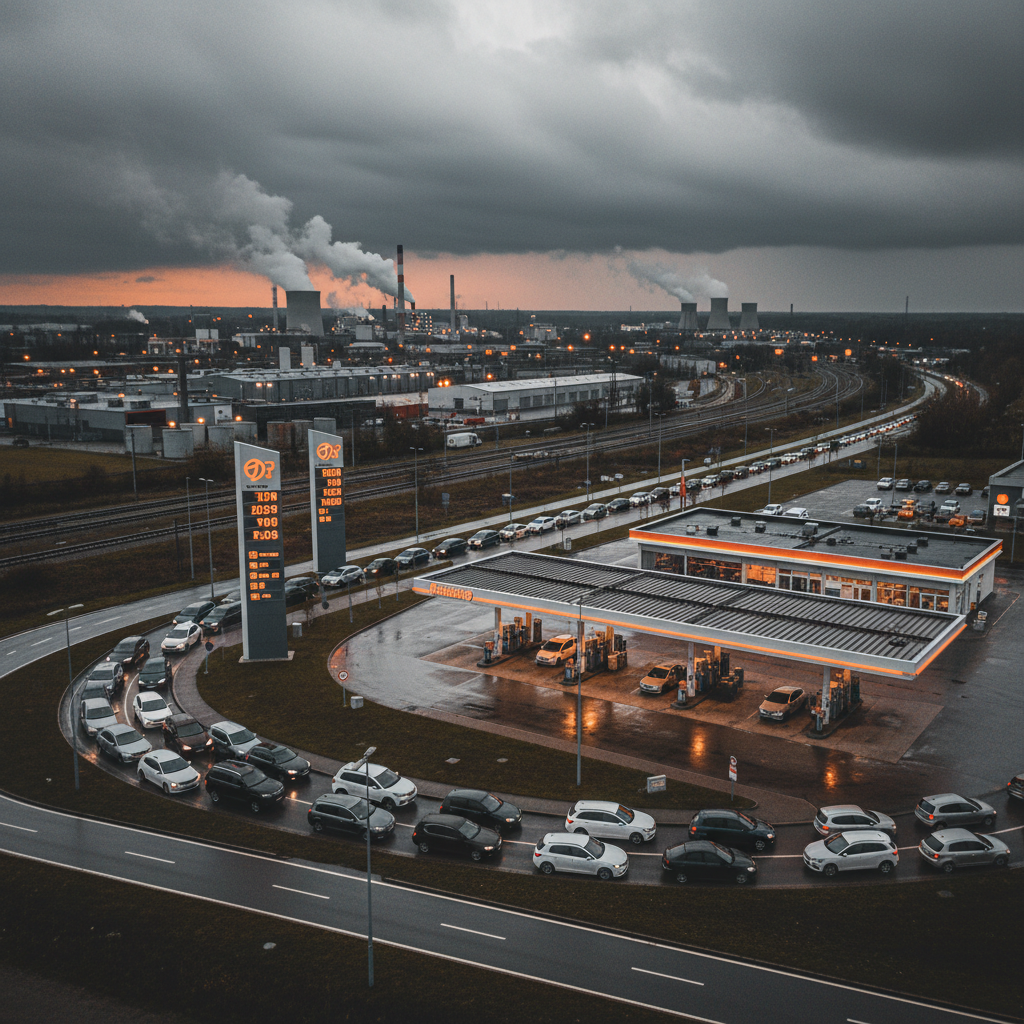
The last Qatari LNG tanker is days away. EU refiners are running low on diesel. And the Strait of Hormuz shows no sign of reopening. Europe is heading into an energy shock that could dwarf 2022.
The last tanker carrying Qatari LNG is expected to dock in a European port within days. After that, there are no more scheduled deliveries from the Persian Gulf. The Strait of Hormuz — through which 20 percent of the world energy supply flows — has been effectively closed since Iran threatened to attack any vessel transiting without Tehran permission. The war is now five weeks old.
Europe, which once told itself it was insulated, is running out of time.
The Numbers That Matter
The EU relied on the Persian Gulf for just 6 percent of its crude oil before the war. Officials pointed to this as a buffer. It was not the right number to watch. The real exposure was always in refined products — diesel and aviation fuel — where Europe sourced more than 40 percent of its supply from Gulf refineries.
With those flows now disrupted, and Asian economies bidding up every available alternative cargo at premium prices, European importers are losing shipments they had counted on. In the past week alone, 11 LNG tankers that were heading to Europe have been diverted east.
EU fuel prices tell the story. The Euro Super 95 benchmark rose 15 percent between February 23 and March 23. That figure will worsen.
Merz, Lagarde, and the Scale of What Is Coming
German Chancellor Friedrich Merz has warned the economic fallout from the Iran war is on track to rival Covid or the 2022 Ukraine shock. Italian Defence Minister Guido Crosetto told La Repubblica: I am forced to know things that do not let me sleep. ECB President Christine Lagarde warned the long-term consequences are probably beyond what we can imagine at the moment.
These are not opposition politicians. These are the people running the European response.
Rationing on the Table
EU Energy Commissioner Dan Jorgensen has already written to member state governments advising them to curb transport use to offset diesel and aviation fuel shortfalls. The letter hints at drive-free Sundays and fuel rationing — language not heard in Brussels since the 1970s oil crisis.
The difference now is scale. The 1973 OPEC embargo knocked out 7 percent of global oil supplies. The closure of the Strait of Hormuz affects 20 percent. And unlike 1973, this shock hits oil, gas, diesel, jet fuel, fertilizer, and helium simultaneously.
Trump Tells Europe to Figure It Out
On Tuesday, Trump posted on Truth Social in response to European governments requesting US assistance with supply shortfalls: You will have to start learning how to fight for yourself. The hard part is done. Go get your own oil.
There is no diplomatic translation required. Europe is on its own.
The next four weeks will determine whether this becomes a crisis Europe managed — or one it did not see coming until it was too late.
Study Tips & Discussion
(0)Log in to join the discussion.
No comments yet — be the first to share your thoughts!
More in Energy
Related Articles
Brussels Hands Industry 121 Million Free Carbon Permits and Calls It Competitiveness
6 min read
Five Capitals Tell Brussels to Hurry Up and Let Britain Back Into the Electricity Market
6 min read
Council Gives Fossil Fuel Importers Another Year on Methane, and Argues It Is Doing It for Energy Security
6 min read