Hormuz Shock: The EU Dusts Off Its 2022 Energy Crisis Playbook
With the Iran war disrupting Gulf energy flows and an oil tanker struck off Dubai, the EU is weighing emergency measures last used when Russia cut gas supplies in 2022. This time, the shock may be faster and harder.
In the summer of 2022, with Russia slashing gas flows to Europe, the European Commission activated a set of emergency energy measures that few thought would ever be needed: mandatory demand reduction targets, solidarity gas-sharing agreements, and coordinated joint purchasing. They worked — imperfectly, contentiously, but they held the bloc together through its worst energy winter in a generation.
On 31 March 2026, Brussels is considering reaching for the same toolbox. The trigger this time is not Moscow. It is Tehran, and the Strait of Hormuz.
A New Kind of Shock
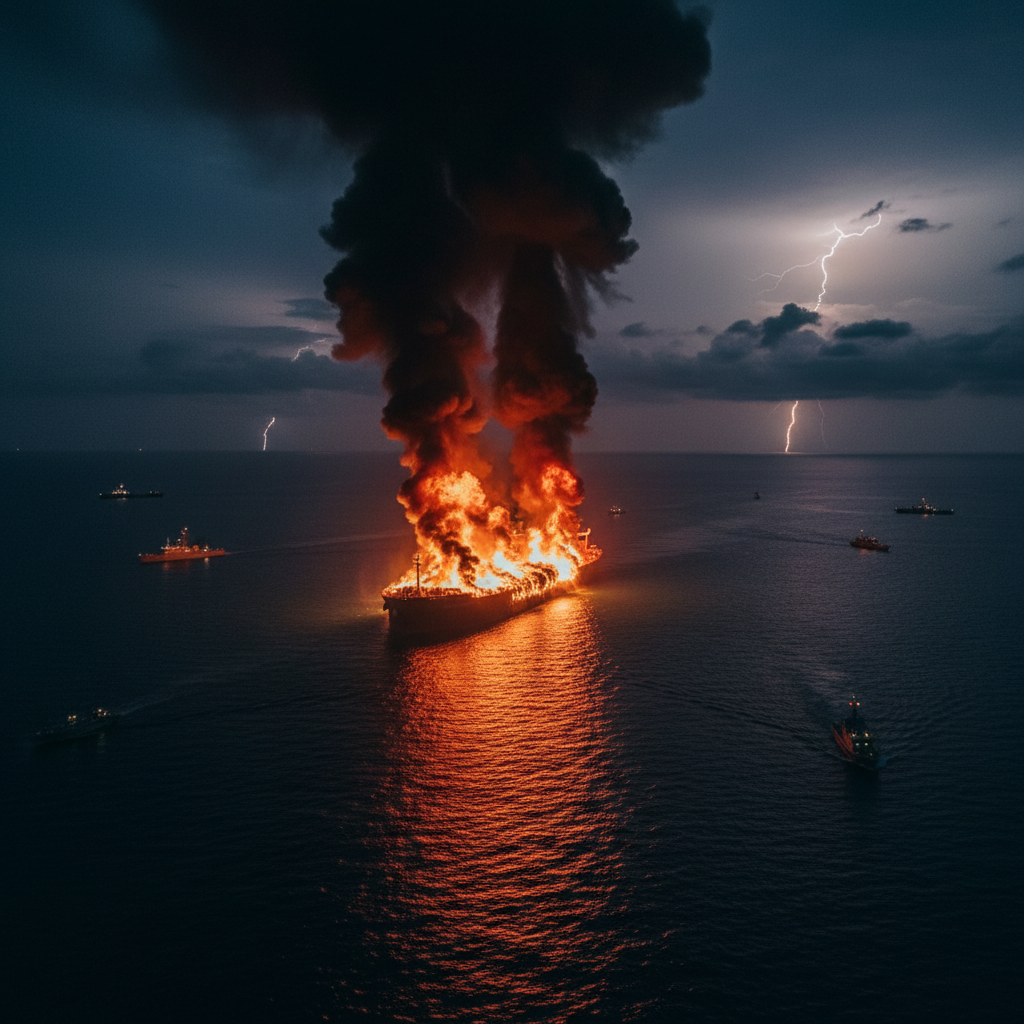
Overnight, an Iranian-linked attack set fire to a Kuwaiti oil tanker off Dubai. The incident is one in a series as the Iran war — now in its second month — increasingly disrupts Gulf shipping. The Strait of Hormuz, through which roughly 20% of global oil and LNG passes, is under mounting pressure. European Council President António Costa called Tehran directly on Tuesday to urge diplomatic engagement on the waterway.
The European Commission has warned member states against taking unilateral measures that could increase fuel consumption or restrict the free flow of energy within the single market — the classic early-stage response to prevent a solidarity-undermining scramble for supplies.
Meanwhile, Euronews analysis finds that a prolonged Hormuz closure would push European energy prices well beyond 2022 peaks. Unlike the Russian gas crisis, which unfolded over months and allowed some preparation, a Hormuz disruption hits multiple fuel types simultaneously: oil, LNG, and petrochemicals.
The 2022 Toolkit and Its Limits
The measures under consideration include reactivating the EU's gas demand reduction regulation — which mandated a 15% cut in consumption across member states — and potentially extending solidarity mechanisms to cover LNG supplies. The Commission is also assessing strategic petroleum reserve releases in coordination with the International Energy Agency.
But the 2022 toolkit was designed for a gas shock, not an oil and multi-fuel disruption. Several member states have already signalled resistance to mandatory demand targets, particularly those with industrial sectors still recovering from the last energy crisis. The political cohesion that held in 2022 — forged in the shock of Russia's invasion of Ukraine — may be harder to reassemble in 2026, when the geopolitics are more complex and Washington is explicitly stepping back.
Trump's Position
US President Donald Trump on Tuesday told Europe to "go get your own oil" — a phrase that landed in Brussels with the force of a policy statement. Washington is not activating strategic petroleum reserves on Europe's behalf. The message is clear: Europe's energy security is Europe's problem.
That framing — unwelcome as it is — may paradoxically accelerate the EU's energy autonomy agenda. The Commission has been pushing for deeper energy union, joint purchasing, and diversification away from Gulf dependency for years. The Iran war is making the case faster than any policy paper could.
Europe is learning, again and painfully, that energy security is foreign policy. The only question is whether it learns fast enough.
Study Tips & Discussion
(0)Log in to join the discussion.
No comments yet — be the first to share your thoughts!
More in Energy
Related Articles
Brussels Hands Industry 121 Million Free Carbon Permits and Calls It Competitiveness
6 min read
Five Capitals Tell Brussels to Hurry Up and Let Britain Back Into the Electricity Market
6 min read
Council Gives Fossil Fuel Importers Another Year on Methane, and Argues It Is Doing It for Energy Security
6 min read