Europe Last Tankers: What the Diesel Shock Means for Everyday Life
The diesel running low at European depots did not come from a pipeline attack or a political decision. It came from tankers being diverted east. Understanding the mechanics of the supply shock tells you why it is so hard to fix.
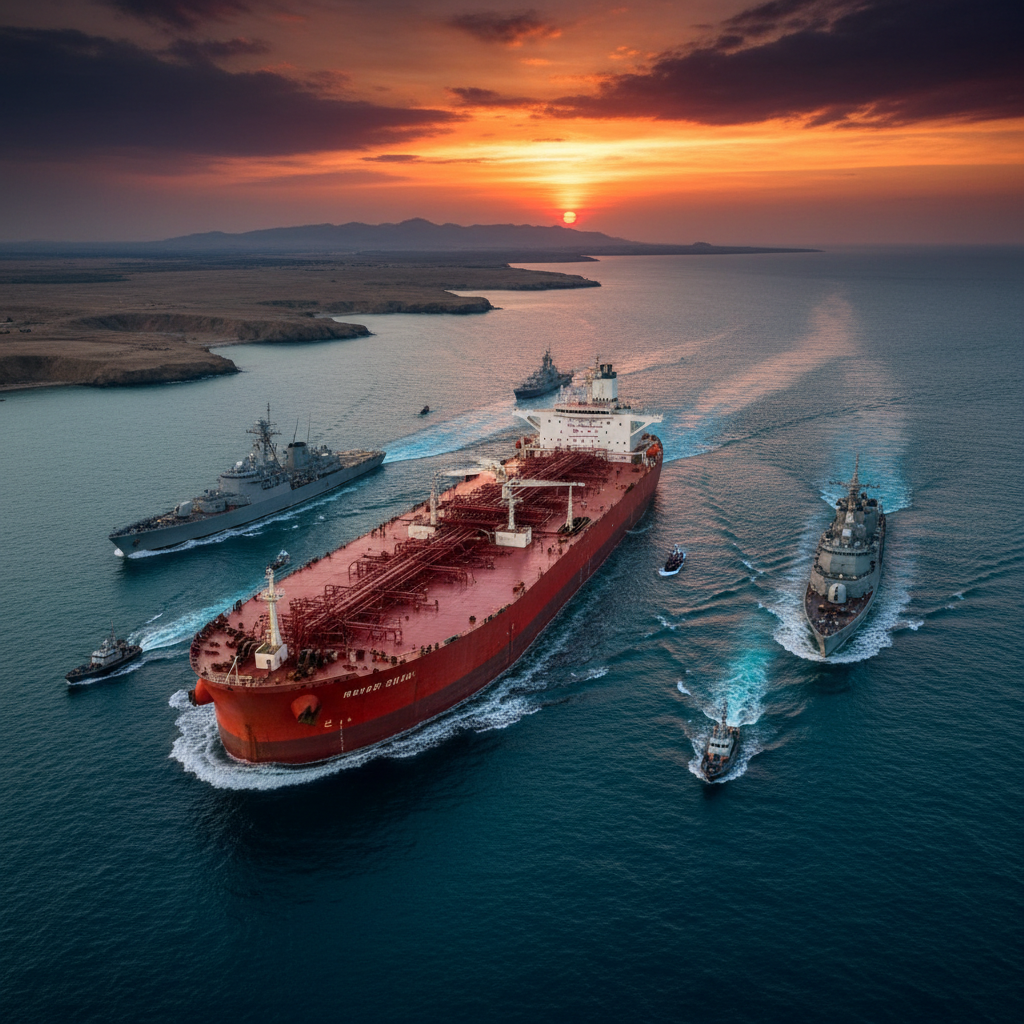
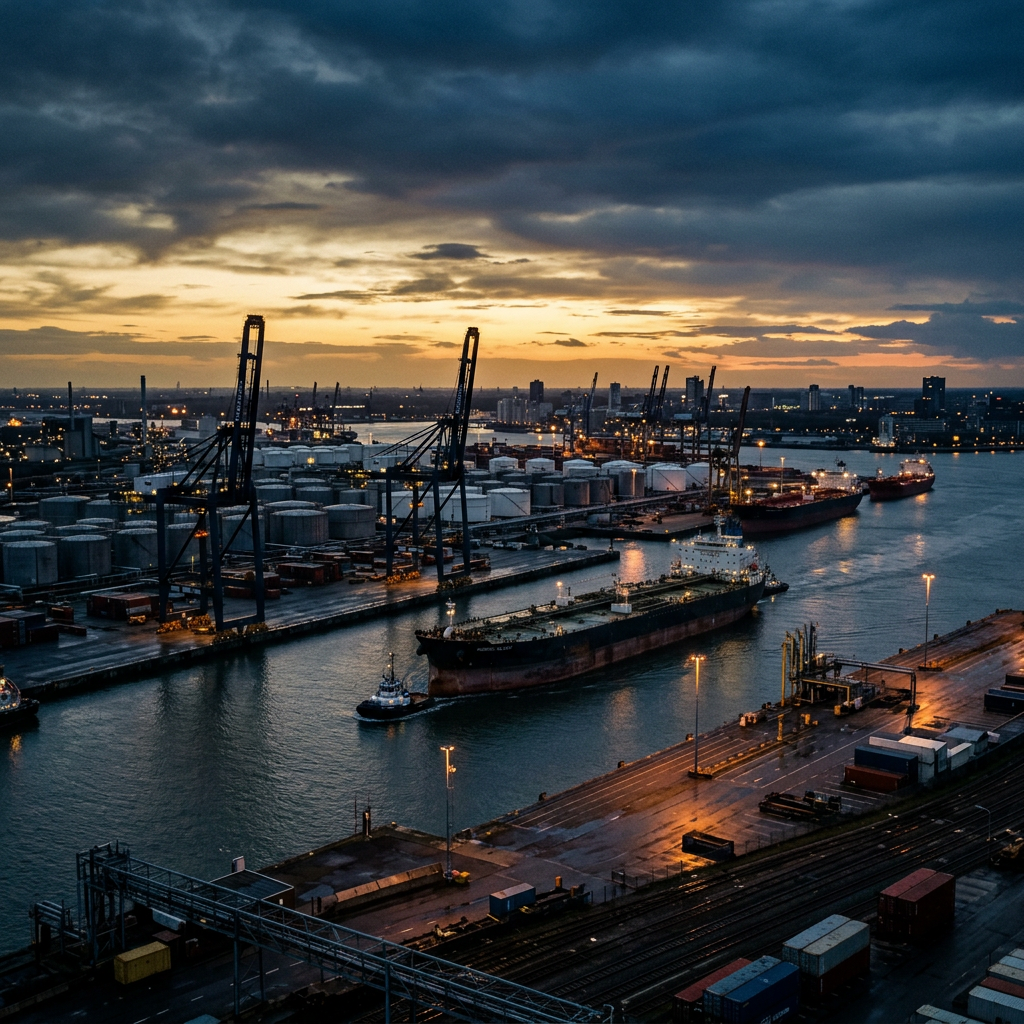
The mechanics of Europe diesel crisis are not dramatic. There is no single event, no pipeline explosion, no political decree. What is happening is quieter and in some ways more alarming: the tankers that were heading to Rotterdam and Marseille are turning around and going to Tokyo and Shanghai instead.
They are going east because Asian buyers will pay more. And Asian buyers will pay more because they are running out faster. Europe is losing a bidding war for its own fuel supply.
How It Works
Before the Iran war, the EU sourced more than 40 percent of its diesel and aviation fuel from Gulf refineries — not Gulf crude, but refined products processed in the region and shipped west. When the Strait of Hormuz closed, those flows stopped. So did 20 percent of global oil and gas supply.
The immediate response was a rush to alternatives. US Gulf, West African, and Norwegian suppliers all ramped up. But they cannot replace 20 percent of global supply, and they are now selling to everyone simultaneously. Asian economies, which relied on the Gulf for 80 percent of their energy, are offering premium prices for every available cargo. European importers with flexible contracts are being outbid.
Last week, 11 LNG tankers diverted from European destinations to Asia. The last Qatari LNG shipment to Europe is due within days. After that, there are no more in the pipeline.
What Gets Hit First
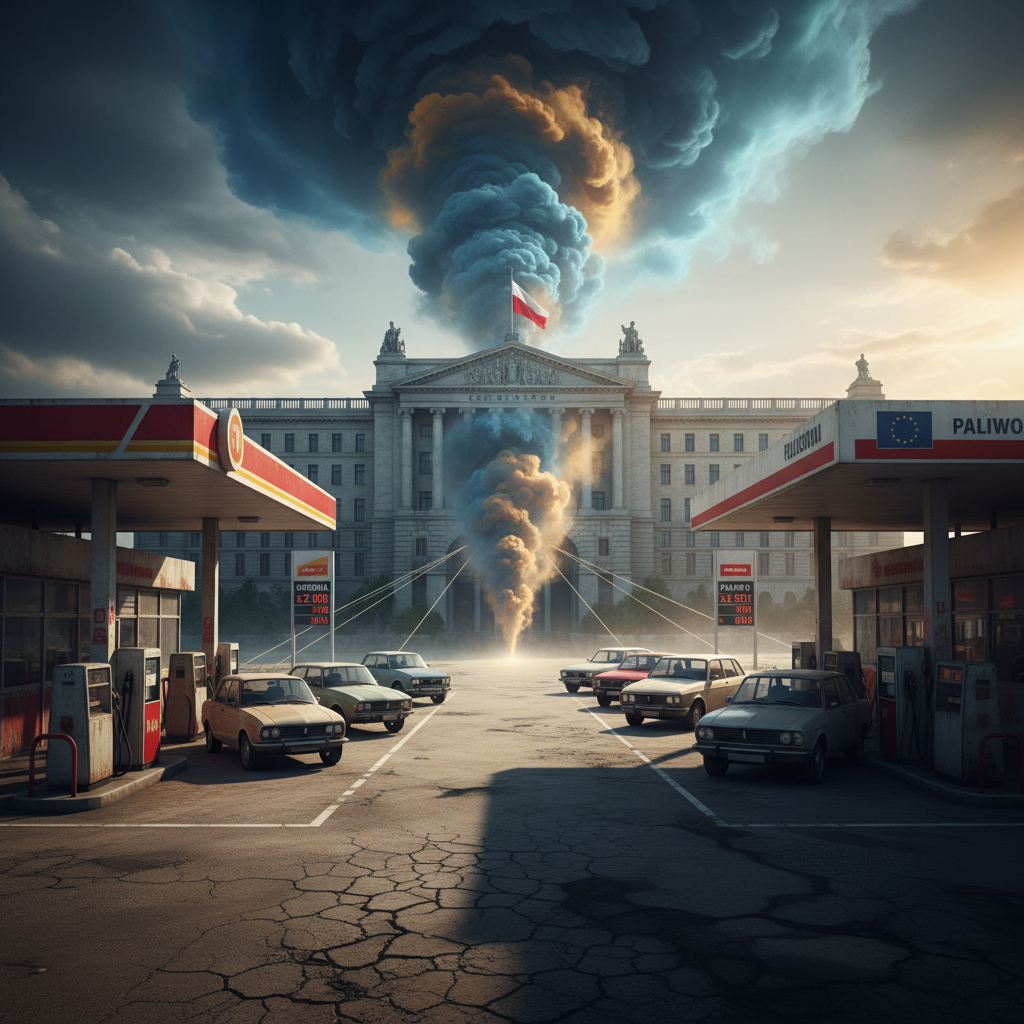
Diesel shortages cascade fast. Long-haul lorries, which move almost all European goods, run on diesel. So does most agricultural machinery — at a moment when spring planting season is beginning. Construction sites, back-up generators, rail freight: all diesel-dependent. Aviation fuel, a separate refined product with similar supply constraints, is already rising sharply.
Food prices will follow. Not because food requires oil directly, but because fertilisers, packaging, refrigeration, and logistics all do.
What Governments Are Doing
Most EU governments have slashed fuel duties to slow the price rise at the pump. Several are in early-stage discussions about rationing mechanisms — drive-free Sundays, lorry night curfews, limits on non-essential aviation. EU Energy Commissioner Dan Jorgensen has written to capitals asking them to reduce transport demand now, before the shortfalls become acute.
It is the language of crisis management, not crisis prevention. The crisis is already here.
The last tankers are docking. What comes after them is the question no European government wants to answer in public.
Study Tips & Discussion
(0)Log in to join the discussion.
No comments yet — be the first to share your thoughts!