EU Releases €1.24 Billion for Ukrainian Drones and Missiles
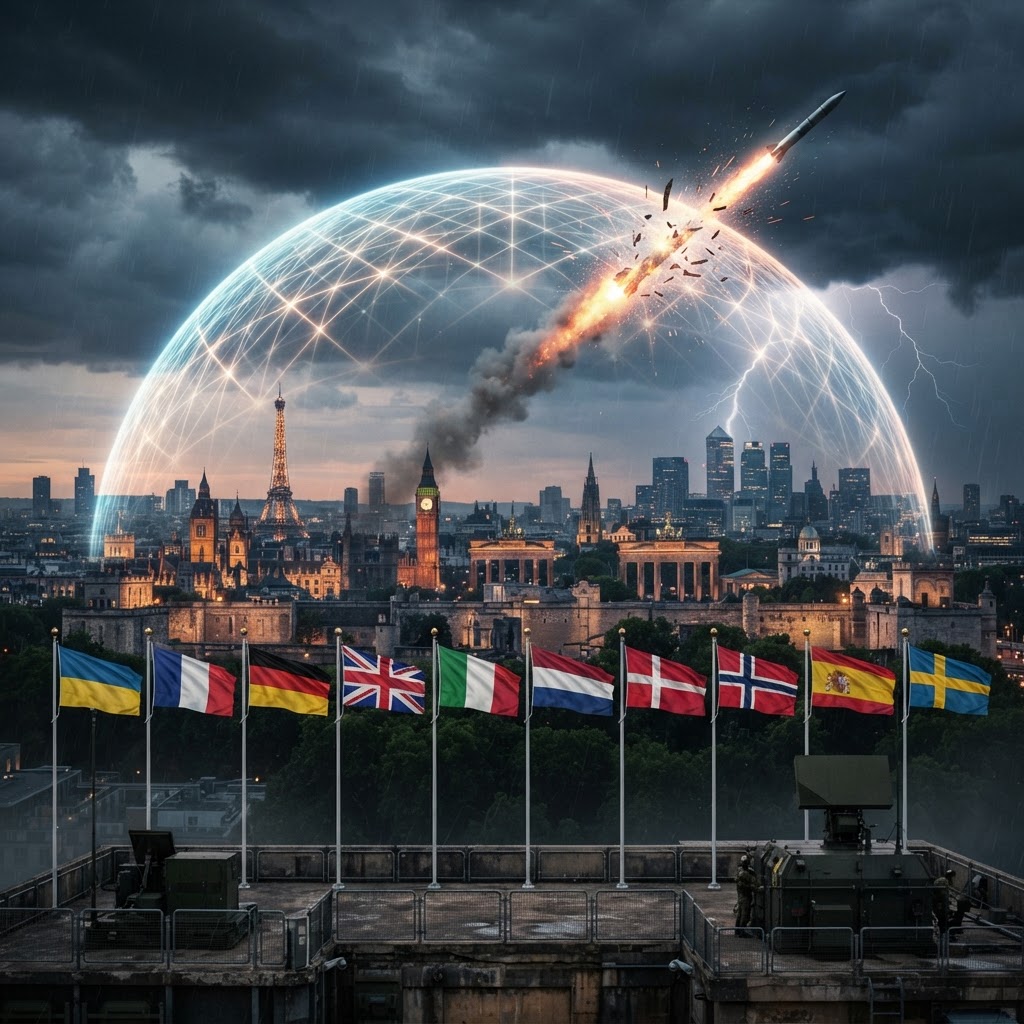
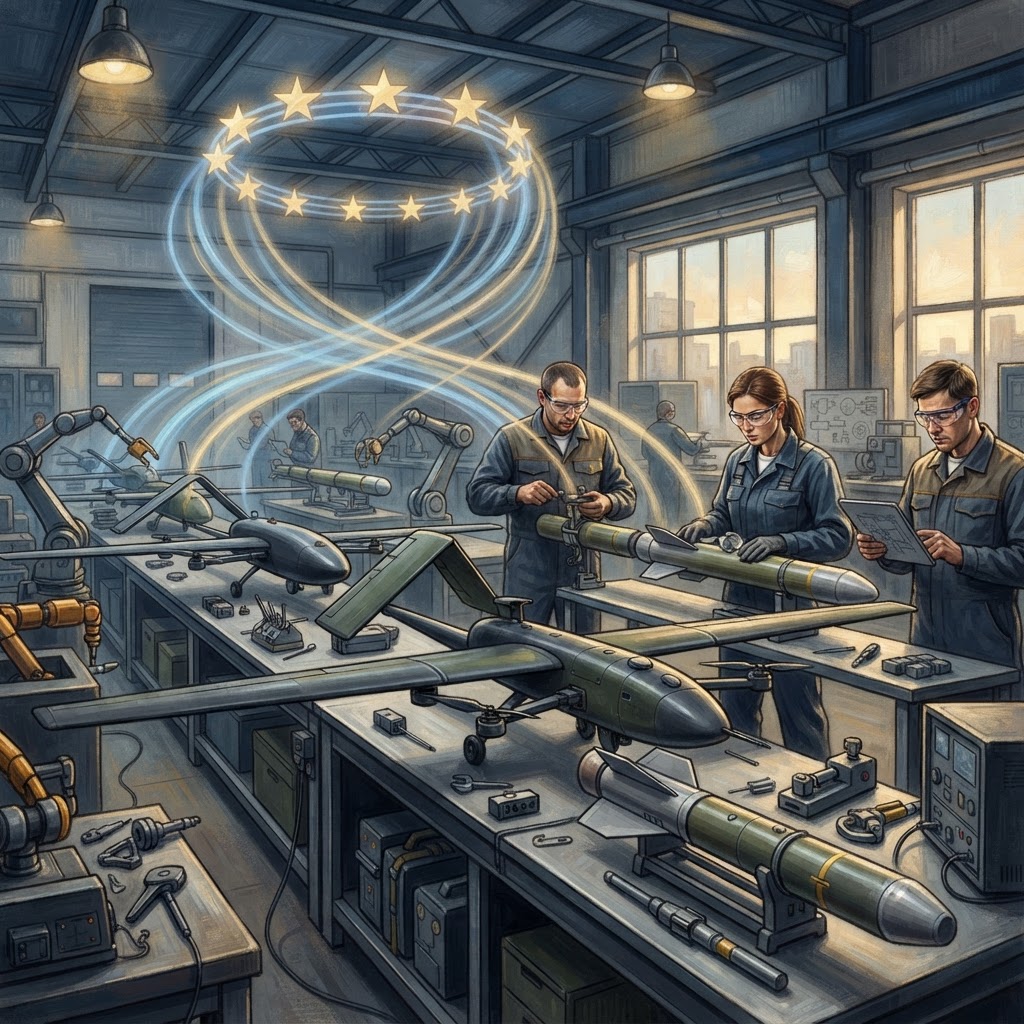
The European Commission disbursed €1.24 billion under the defence component of the €90 billion Ukraine Support Loan, earmarked for Ukrainian-made drones, interceptors, ammunition and missiles.
The European Commission disbursed €1.24 billion on 7 October under the defence component of the €90 billion Ukraine Support Loan for 2026–27. The payment is designated for drones, drone interceptors, drone ammunition and missiles manufactured by Ukrainian entities, according to the Commission.
Financing Ukraine’s defence industry
The loan is structured around an indicative €60 billion for defence and €30 billion for budgetary assistance. For 2026, the Commission says €28.3 billion is planned for Ukraine’s defence industrial capacity. Further defence disbursements are expected in the coming weeks.
The programme combines immediate military requirements with a longer-term industrial objective: strengthening Ukraine’s domestic production base and supporting its gradual integration with Europe’s defence technological and industrial sector. The Commission says funding decisions respond to Ukraine’s evolving needs and remain subject to agreed conditions and monitoring.
Scale and oversight
The 7 October payment is part of a broader EU support effort. Since 2022, the EU and its member states have provided €228.7 billion in overall support to Ukraine, including assistance financed from proceeds of immobilised Russian assets, according to the Commission. The Ukraine Support Loan itself was established by Regulation (EU) 2026/467.
For the remainder of 2026, the Commission reported that €32.5 billion remained available across the Ukraine Support Loan and the Ukraine Facility, subject to the relevant conditions. This includes both defence-industry support and budget assistance to maintain essential state functions.
Why it matters: The payment turns EU financial backing into procurement for Ukraine’s domestic defence production, including systems central to air defence and battlefield adaptation. It also gives EU institutions a more direct role in the industrial architecture of European security.
What to watch: The next planned disbursements, procurement transparency and oversight, production capacity, and how much of the support is sourced from Ukrainian manufacturers.
Study Tips & Discussion
(0)Log in to join the discussion.
No comments yet — be the first to share your thoughts!