Trade
China Imposes Export Ban on EU Over Russia Sanctions, Escalating Trade Friction
26 April 2026
Beijing retaliates against European Union sanctions targeting Chinese companies aiding Russia with export restrictions, deepening US-China-EU strategic triangle.
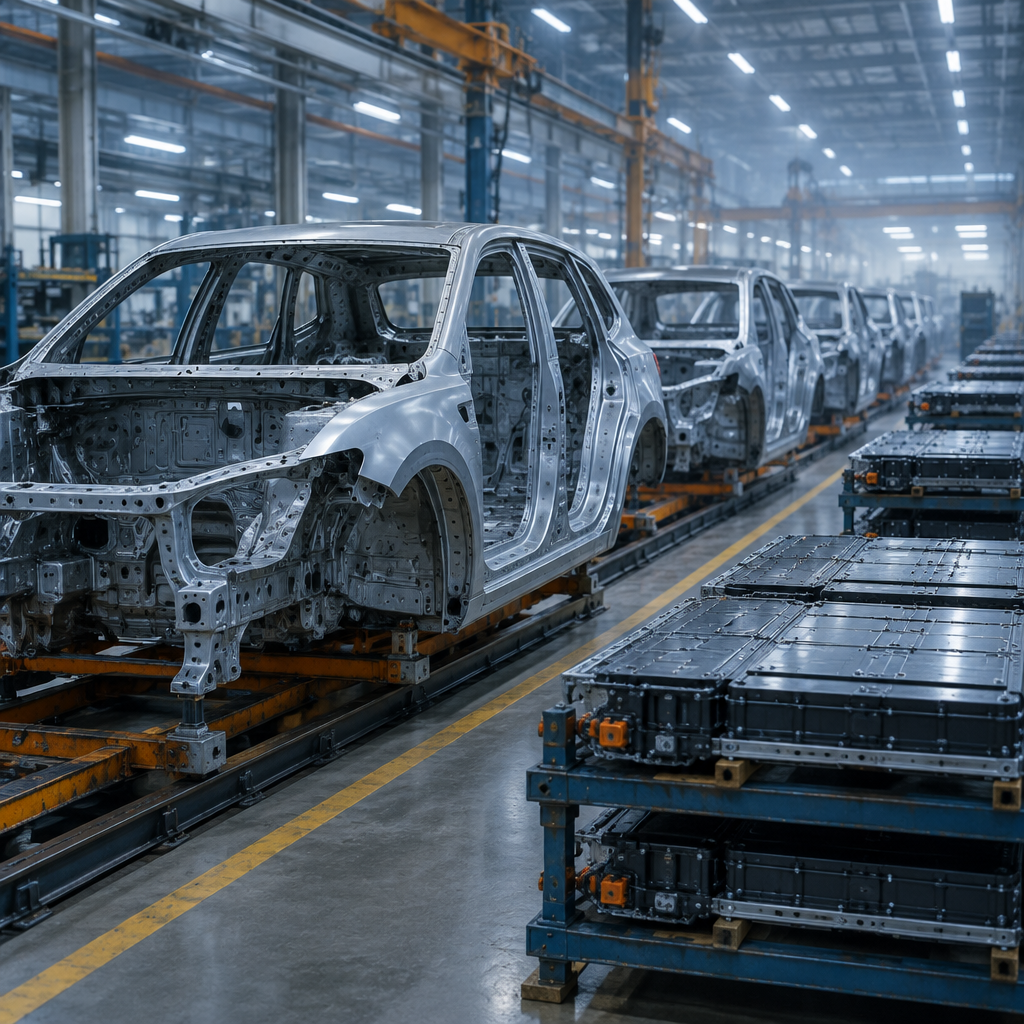
China has implemented export bans targeting European companies following the European Union's decision to sanction Chinese firms for facilitating Russian military procurement. The action marks an escalation in three-way geopolitical friction between Washington, Brussels, and Beijing.
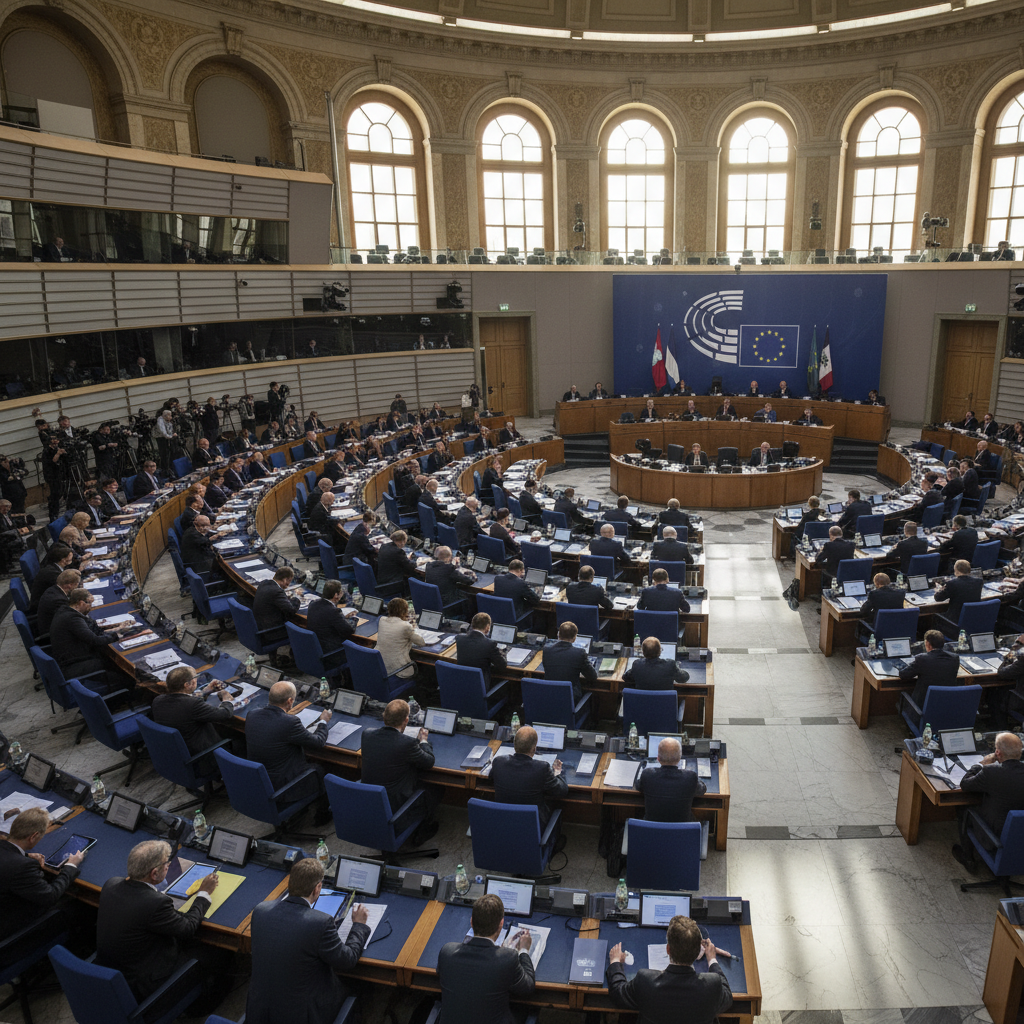
The EU sanctions targeted Chinese companies accused of providing dual-use technology and materials supporting Russian military operations. China's response was swift and pointed: export restrictions against European companies, described by Beijing as expressions of "strong dissatisfaction" and "firm opposition."
This development exposes a critical fracture in what some have described as a nascent EU strategic autonomy agenda. The bloc cannot simultaneously enforce sanctions on China for Russia support while avoiding retaliation that affects European exporters. The cost of sanctions enforcement falls on European companies dependent on Chinese supply chains and markets.
The trade confrontation also reveals the structural weakness of European strategic positioning between US and Chinese interests. Washington expects EU alignment on China policy and Russia sanctions enforcement. Beijing, meanwhile, treats European sanctions as interference in Sino-Russian coordination and responds with targeted economic pain against European actors.
For the EU, this is a moment of reckoning. It cannot sustain simultaneous sanctions enforcement against both Russia and China without accepting significant economic consequences. The alliance architecture requires choosing between American partnership and economic accommodation with Beijing.
The broader implication is that great power competition now operates through sanctions reciprocity. Trade friction has become a standard instrument of strategic coercion between Washington, Brussels, and Beijing.
Study Tips & Discussion
(0)Log in to join the discussion.
No comments yet — be the first to share your thoughts!