Brussels Offers Britain One Year on EV Tariffs. Sunderland and Wolfsburg Are Asking for Two
The Commission has sent the car industry a technical proposal that would push back the rules of origin on electric vehicle batteries by a year, from 1 January 2027. The European car lobby says 82 per cent of EU electric vehicle exports to the UK would face the 10 per cent duty without a delay, at a cost of €1.47 billion next year. Nobody thinks twelve months is enough.
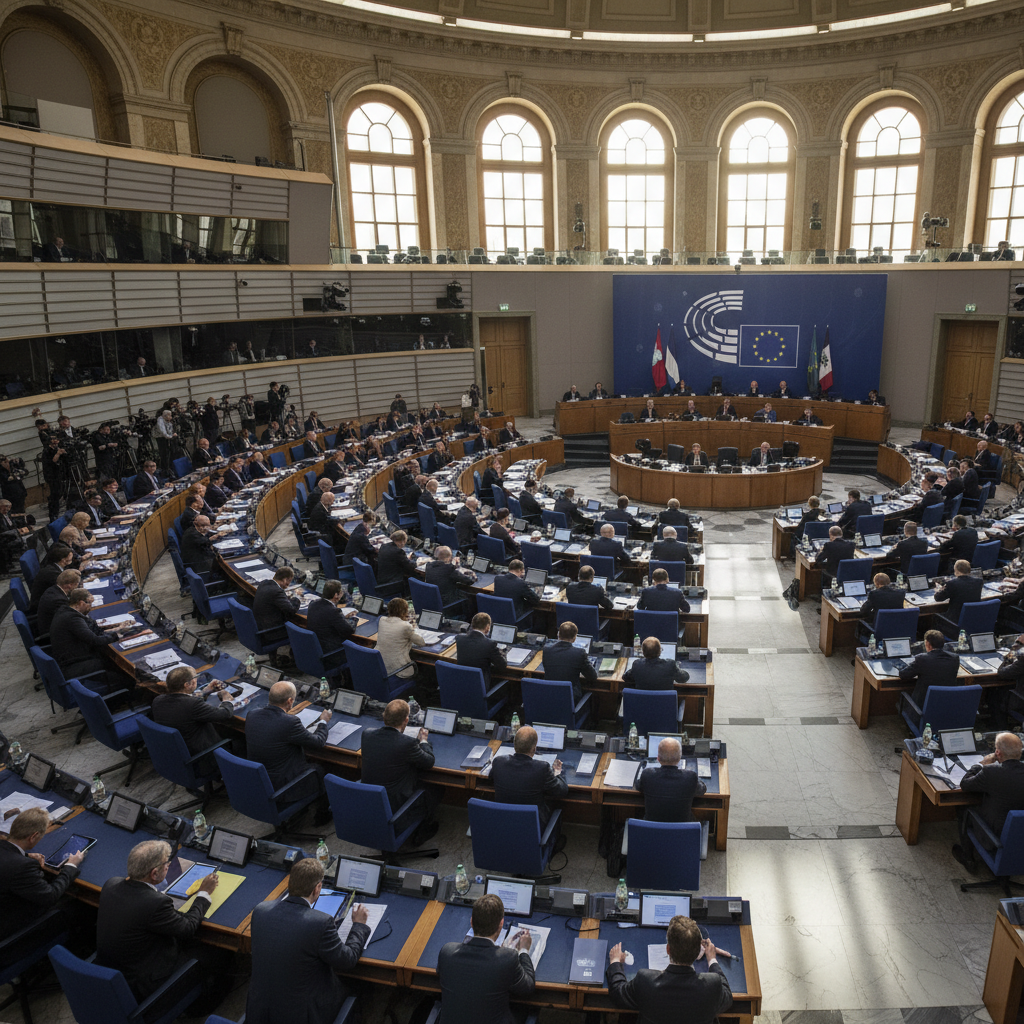
The European Commission has shared proposals with the automotive industry to postpone the introduction of post-Brexit rules of origin for electric vehicles, according to reporting by the Financial Times, Reuters and the Guardian. The rules are due to apply from 1 January 2027, and would impose a 10 per cent tariff on electric cars traded between the EU and the UK unless a sufficient share of the battery's value originates in either place.
The proposals have not been formally shared with the UK government. They are technical rather than political: adjusting customs procedures and the methodology for calculating origin, which together would amount to delaying the start of the requirement by about a year.
How the deadline got here
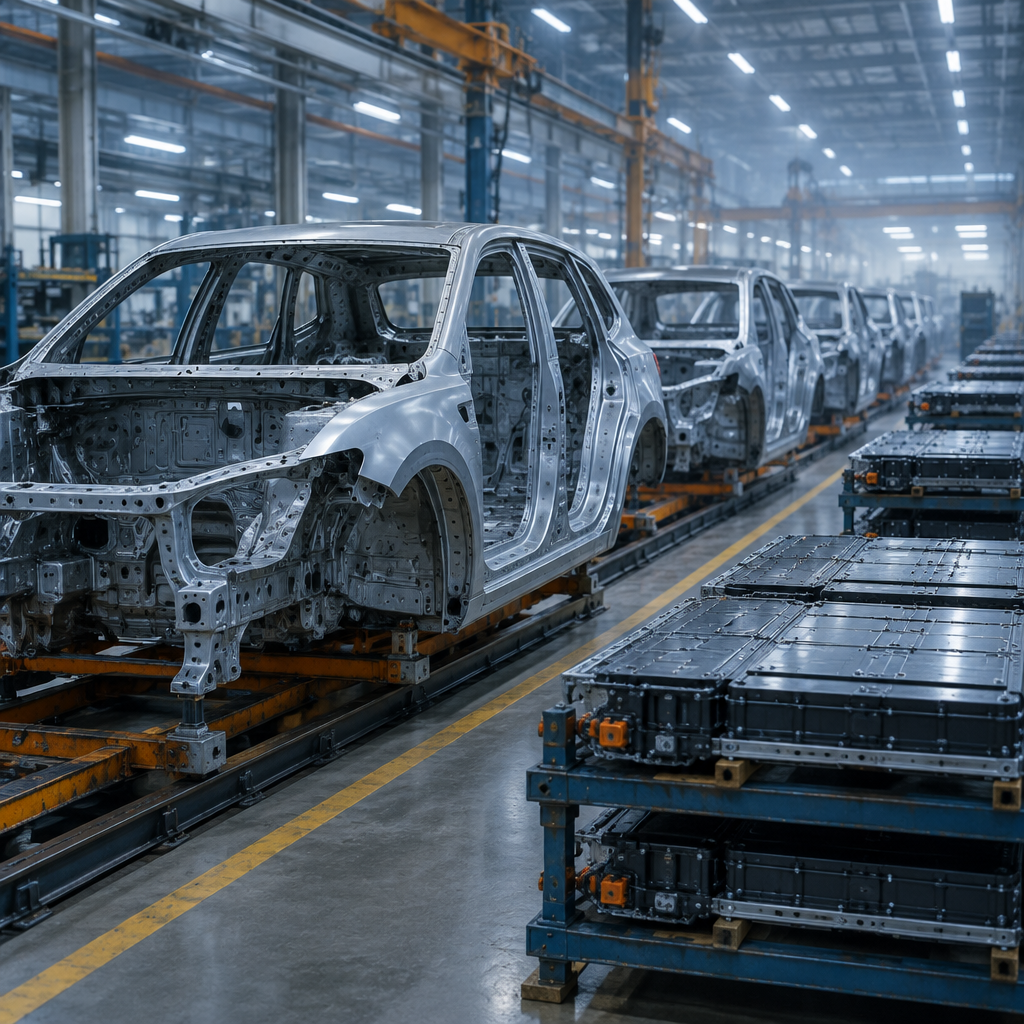
The rules were written into the Trade and Cooperation Agreement, agreed on Christmas Eve 2020. British and European electric cars would have to use batteries made in the UK or the EU with locally sourced materials, or pay the duty. The intention was to force investment in lithium-ion manufacturing on both sides of the Channel rather than leaving it to China.
The original start date was 1 January 2024. By late 2023 several flagship battery projects had collapsed, and the two sides agreed a three-year extension. That extension expires at the end of next month.
The gigafactories that replaced the failed projects exist but are not yet producing at the volume European assembly lines need. Carmakers on both sides remain dependent on cells from China, Japan and South Korea.
The number that decides it
The European Automobile Manufacturers Association, ACEA, has estimated that 82 per cent of EU electric car and van exports to the UK would face the 10 per cent duty in 2027 under the rules as written. The cost, by its calculation, would be €1.47 billion in the first year alone.
Mike Hawes, chief executive of the UK's SMMT, put the industry position plainly: the UK and the EU must agree pragmatic solutions on the two linked questions of rules of origin and Made in Europe, and any deal must "remove the massive tariff liability faced on electrified vehicles traded from 1 January".
A UK industry executive was more direct about the duration. The industry, he said, will be clear: two years minimum, or "we have the same discussion next year". Giga-industrialisation is happening in both the EU and the UK, but not at the required volume.
Three files tangled together
Rules of origin are not the only item on the table. The EU and the UK are also negotiating whether British-built vehicles count as European content under the Union's emerging Made in Europe rules, which determine access to subsidy and public procurement. And they are arguing over whether the UK should mirror EU tariffs on Chinese electric vehicles, a question British prime ministers have left deliberately open.
All three are expected to feature at the EU-UK reset summit in Brussels on 20 November, where Andy Burnham's government hopes to sign off agreements on agri-food trade, emissions trading and a youth mobility scheme. Burnham, speaking from the EPC summit in Dublin, said he would fight for a deal and described the possible outcome as "more like the Brexit that people thought they were voting for in 2016".
Why the Commission is being careful
The Commission cannot simply waive the rule. It is treaty text, and the EU's own battery-material producers are lobbying hard to keep it. Their argument is that another delay removes the only deadline pushing cell manufacturing into Europe, and that a third reprieve would confirm to investors that the instrument is not credible.
That produces the odd coalition now visible in Brussels: carmakers on both sides of the Channel, plus the German and Slovak governments, against European battery producers and a Commission legal service that does not want to reopen the agreement again.
A twelve-month technical fix is the compromise that avoids reopening the text. It also guarantees the same argument in November 2027, with the same gigafactories still short of scale and the same 82 per cent figure attached to it.
What to watch
Whether the UK government formally receives the proposals before the 20 November summit, or whether the summit produces a political commitment without text. Whether ACEA's €1.47 billion estimate is accepted in the impact assessment. And whether the December EU-UK joint committee converts a twelve-month technical delay into a two-year political one, which is what the industry has already told both capitals it will settle for.
Sources
- ↗The Guardian, 12 November 2026: UK car industry to press EU for two-year delay to Brexit EV tariffs
- ↗Reuters, 12 November 2026: EU set to delay 10% tariff on electric cars from UK, FT reports
- ↗electrive, 12 November 2026: EU and UK could delay mutual EV tariffs once more
- ↗POLITICO Europe: UK and EU agree to hold Brexit 'reset' summit on Nov. 20
Study Tips & Discussion
(0)Log in to join the discussion.
No comments yet — be the first to share your thoughts!