Liberation Day, One Year On: Who Won the Trade War?
A year ago today, Trump unveiled his Liberation Day tariffs. American households are $1,000 poorer. US manufacturing has not revived. And the EU is still paying the price for a war it did not start.
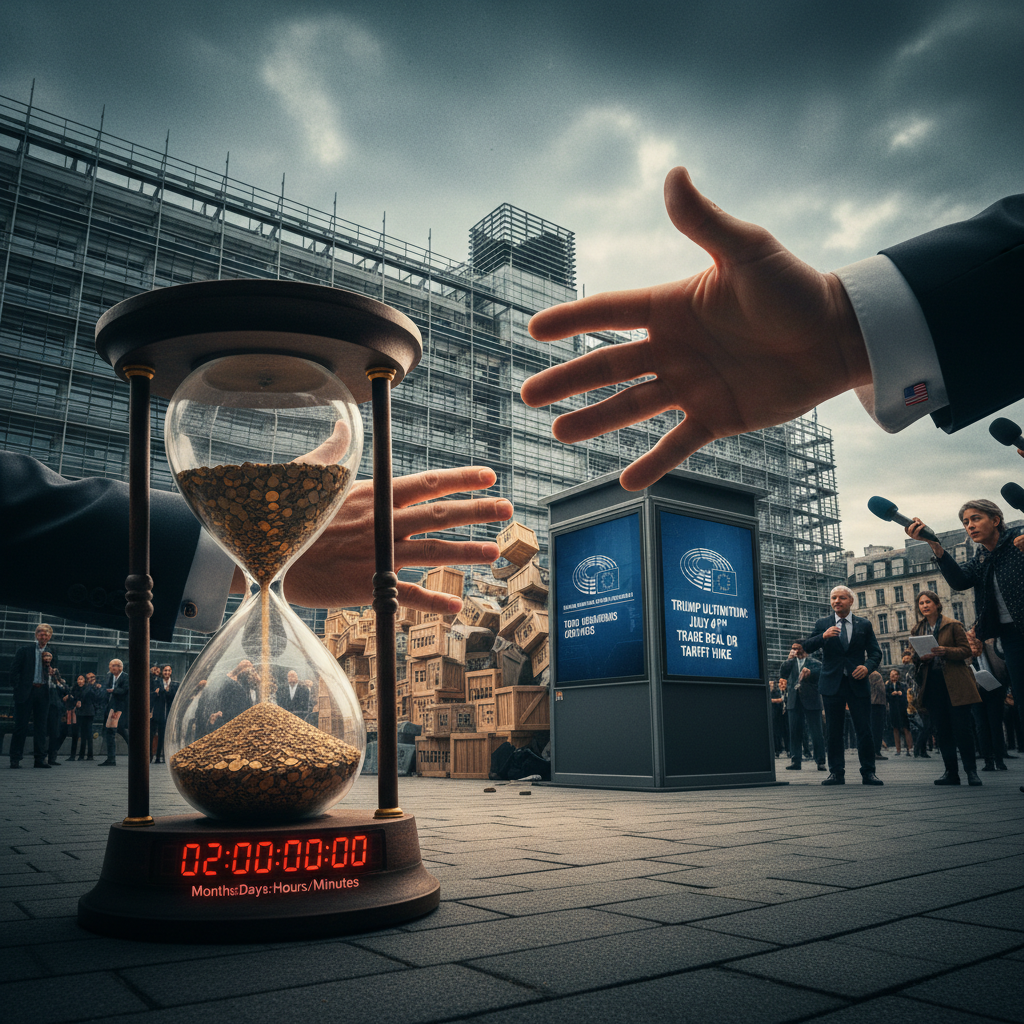
One year ago today, Donald Trump stood in the Rose Garden and announced what his administration called Liberation Day — a sweeping set of tariffs on imports from almost every country on earth. The EU was hit. China was hit. Even allies were hit. The rationale was to revive American manufacturing and shrink the trade deficit.
Twelve months later, the data is in. None of that happened.
What the Numbers Show
Average American households paid approximately $1,000 more for goods over the past year, according to multiple independent analyses published today. Lower-income families were hit hardest, spending a higher share of income on affected goods. US manufacturing output has not recovered to pre-tariff projections. The trade deficit, the stated target of the policy, has not meaningfully narrowed.
One expert quoted by The Guardian put it plainly: If he had stayed on the golf course, we would be in a better place.
Europe: Still Absorbing the Blow
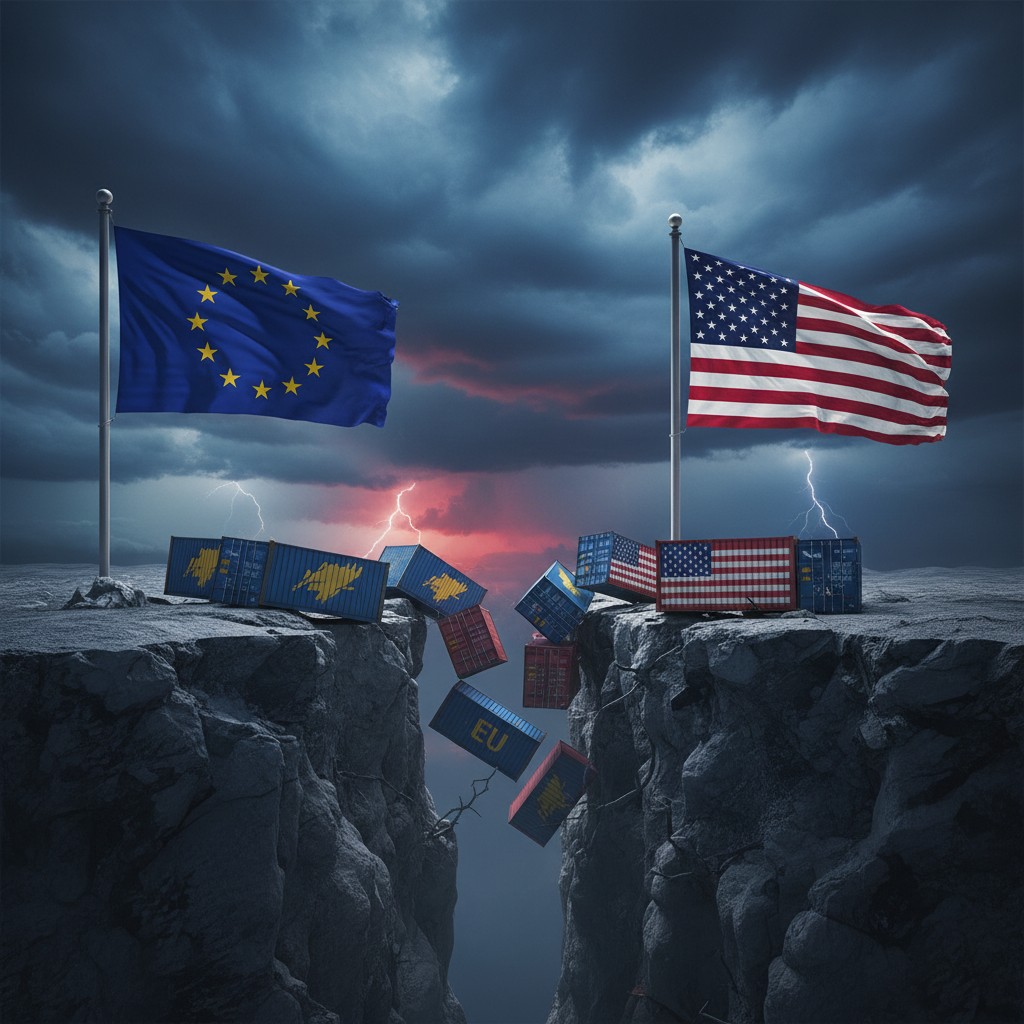
For the EU, Liberation Day opened a wound that has not closed. European steel and aluminium producers were among the first casualties. A year of negotiations has produced partial exemptions and ongoing talks, but no comprehensive deal. Bloomberg reported today that EU-US trade tensions persist, with new steel and aluminium tariff changes still looming.
The timing is brutal. With the Iran war already spiking energy costs and threatening recession, the last thing European industry needs is a transatlantic trade dispute. Yet that is precisely where things stand.
Who Actually Won
Trade data analysed by DW and the Council on Foreign Relations points to a clear beneficiary: third countries. Vietnam, Mexico, and several Southeast Asian economies absorbed manufacturing contracts that left the US and EU supply chains. China adapted faster than expected, rerouting exports through intermediaries.
The rules-based trading order that the EU spent decades building — through the WTO, bilateral agreements, and multilateral frameworks — has been significantly weakened. Restoring it will take longer than one presidential term.
Liberation Day liberated nobody. It redistributed pain — and most of it landed on ordinary people.
Study Tips & Discussion
(0)Log in to join the discussion.
No comments yet — be the first to share your thoughts!