Trump Signals NATO Withdrawal: Europe's Defence Spending Gamble Becomes Urgent
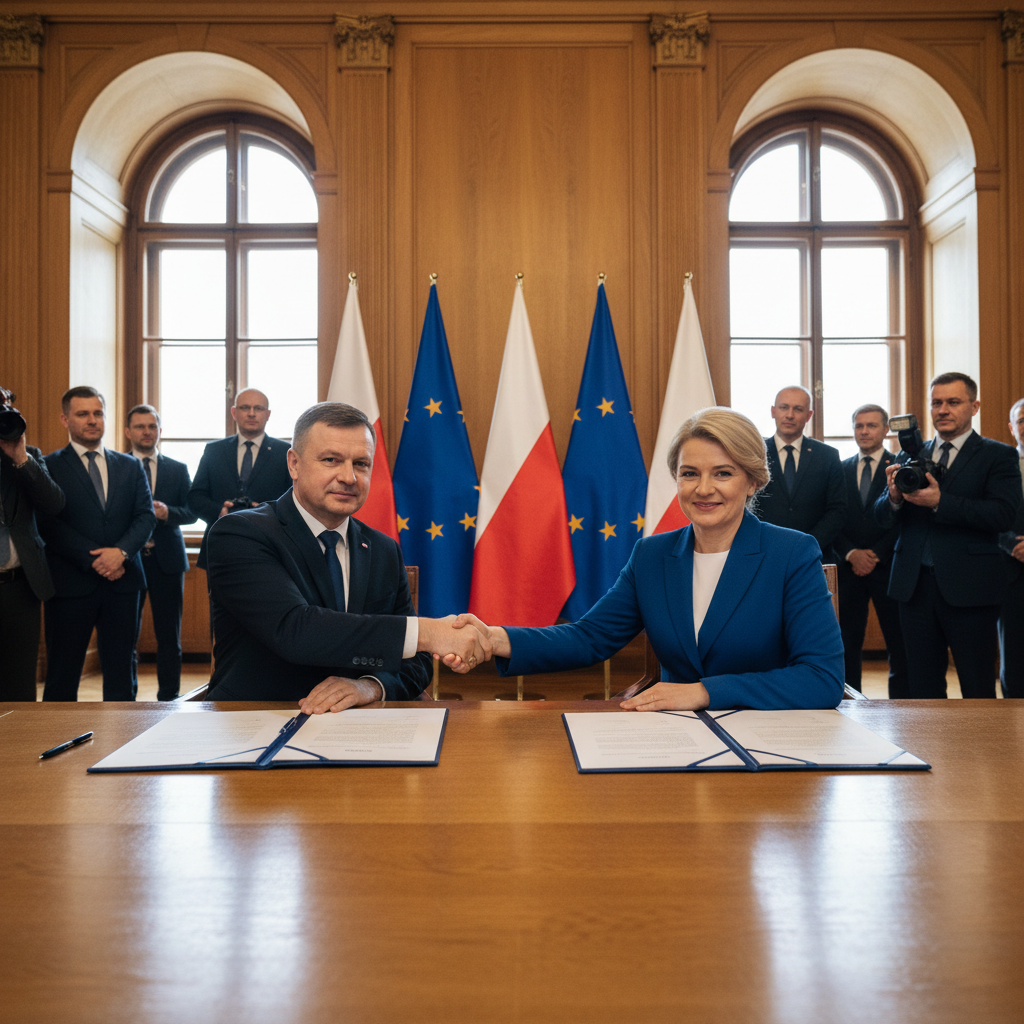
The Trump administration is actively considering withdrawing US forces from Europe, citing NATO partners' failure to support military operations in the Middle East. For the EU, the moment has arrived to act on strategic autonomy.
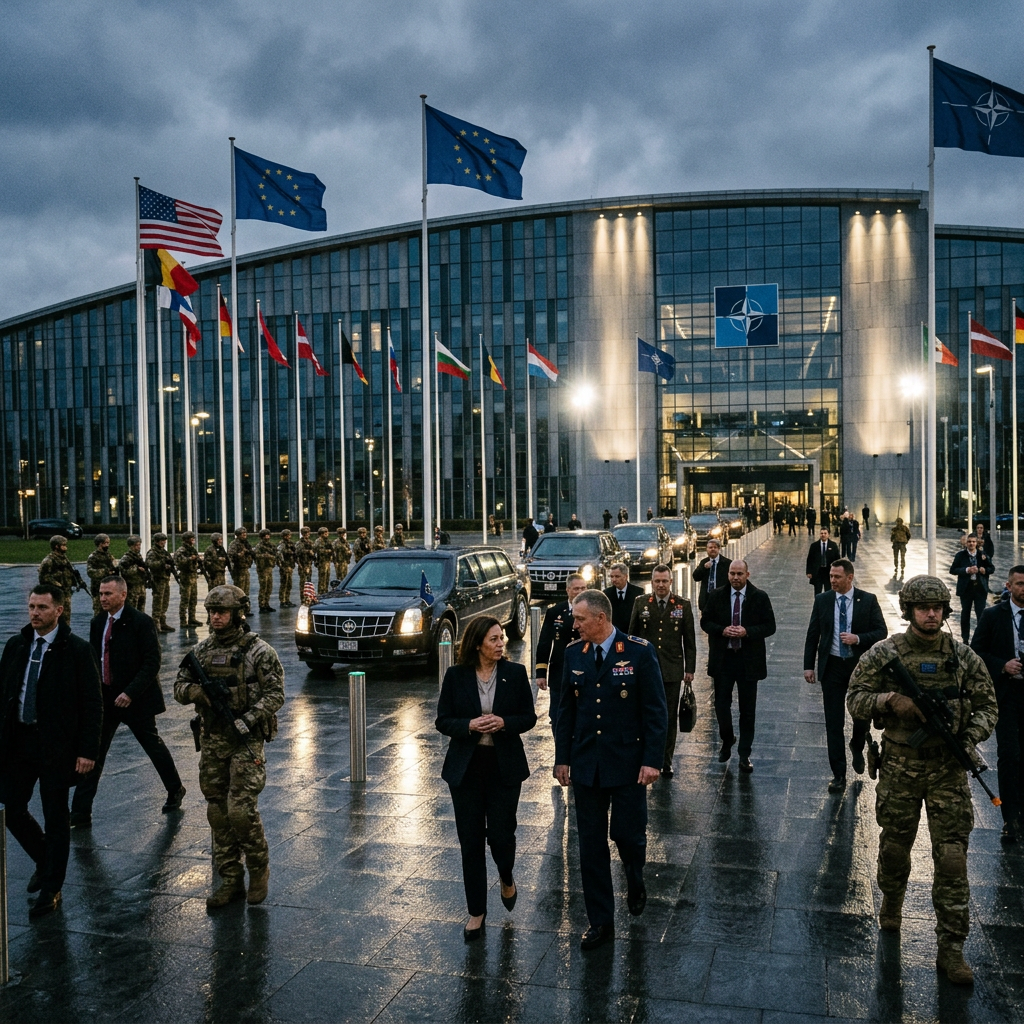
President Trump's irritation with NATO allies is not new. But on April 9, that irritation crossed a threshold: administration officials were actively discussing pulling US troops out of Europe as retaliation for NATO partners' refusal to commit military assets to operations in the Strait of Hormuz.
The statement was buried in reporting, but the implication was seismic. For the first time in the post-Cold War era, US troop withdrawal from Europe was being considered not as a theoretical future possibility, but as an immediate policy option.
The Trigger
The Iran conflict created the flashpoint. The US asked NATO allies to contribute naval forces, air support, or logistical assistance to operations securing the Strait of Hormuz. Most NATO European members declined, citing budget constraints, domestic political opposition, or the view that the conflict was an American-initiated problem requiring an American solution.
Trump — already frustrated with NATO defence spending commitments — escalated. If NATO wouldn't help 'America's wars,' Trump asked aloud, why should America defend NATO?
The Implications
Europe has been talking about 'strategic autonomy' for years. Speeches at the European Council, white papers from the Commission, ambitious defence procurement initiatives. But all of it has operated in the shadow of American security guarantees. US nuclear weapons, US forward bases, US military technology — these have been the bedrock.
If Trump actually withdraws, that bedrock shifts. Europe would need to:
— Massively increase defence budgets (current spending: ~1.8% of GDP; required spending to replace US guarantee: ~3.5-4%)
— Develop independent nuclear capabilities or restructure deterrence without US warheads
— Build procurement and defence industrial capacity that doesn't exist today
— Coordinate foreign policy in a way European states have never managed
NATO Secretary General Mark Rutte is already in damage-control mode, visiting Washington this week to emphasise Europe's commitment to increased spending. And the spending is real — Europe's defence budgets are rising at the fastest rate since the Cold War.
But strategy takes time. Industrial capacity takes years. Political consensus takes longer. Europe's gamble on strategic autonomy was always supposed to unfold over a decade. Trump's threat just compressed that timeline into months.
Europe's NATO insurance policy just went month-to-month. Time to figure out Plan B.
Study Tips & Discussion
(0)Log in to join the discussion.
No comments yet — be the first to share your thoughts!