Serbia's Students Have 140 Seats and a Date: Parliament Convenes on 17 November
Ana Brnabic has called the inaugural session of Serbia's new parliament for 17 November, after final results confirmed the Students' List won 140 of 250 seats and Aleksandar Vucic's SNS took 103. A government must follow within 90 days, and an early presidential election by the end of the year.
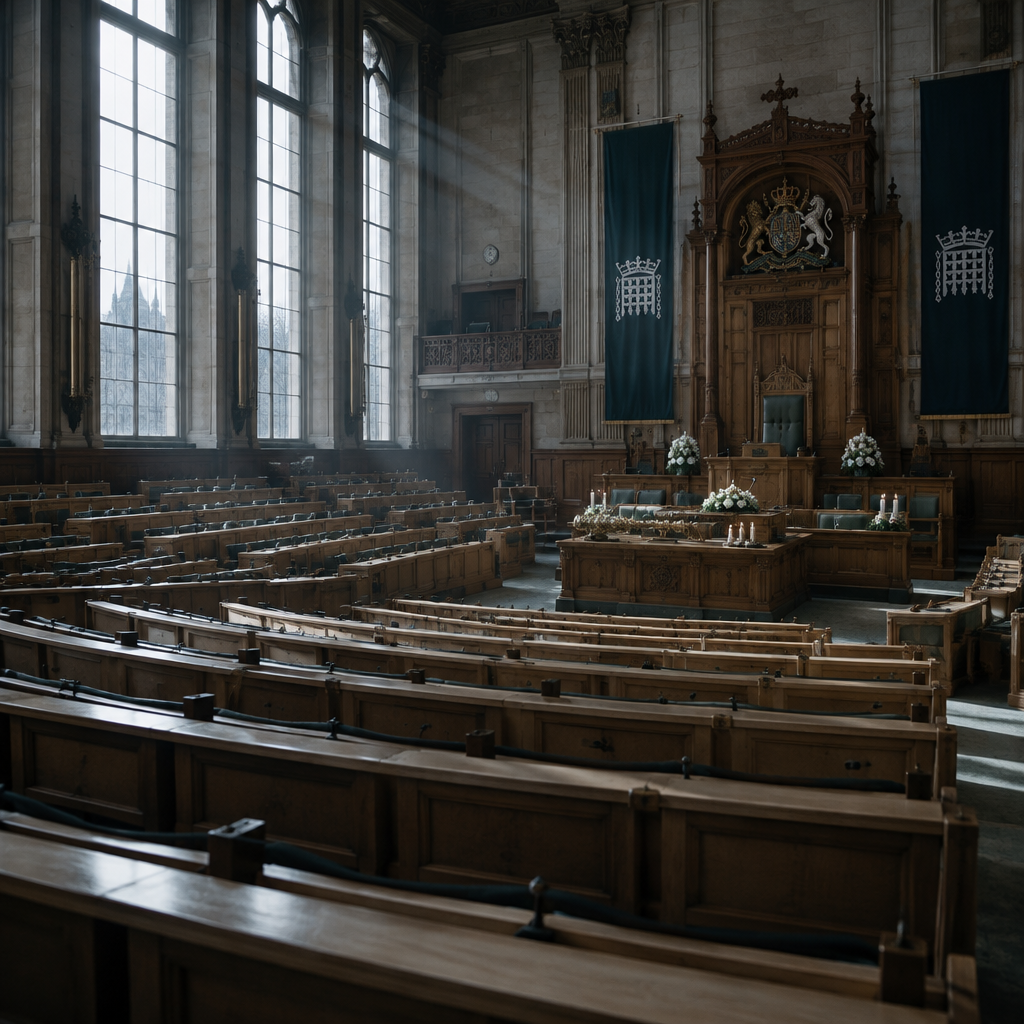
Serbia's new parliament will hold its first session on 17 November, the outgoing speaker Ana Brnabić announced on Sunday, after the country's election authorities last week certified the final results of the 25 October vote.
The numbers are not close. The Students' List won 140 of 250 seats. Aleksandar Vučić's Serbian Progressive Party took 103. The remaining seven went to parties representing ethnic minorities.
How a canopy brought down a government
The movement began in November 2024, when a canopy at a railway station in Novi Sad collapsed and killed 16 people. Many in Serbia attributed the deaths to corruption in state infrastructure contracts, and the response was two years of street protests that grew from grief into a demand for accountability and then into an electoral vehicle.
The candidates on the Students' List were, for the most part, professors, teachers and professionals with almost no political experience. That was the point, and it is now the governing problem: a bloc built on rejecting the old class has to staff a state that the old class ran.
The group campaigned on restoring the rule of law and ending the corruption it says flourished under Vučić. The SNS had governed for 14 years, controlling all layers of power and state institutions, and faced persistent accusations of cronyism and organised crime links, which it denied.
The constitutional clock
The inaugural session has a fixed sequence. Parliament first elects a speaker and constitutes its bodies. A new government must then be formed within 90 days. That puts a hard deadline in the second half of February, and it puts the Students' List under pressure to convert an electoral majority into a coalition with the ethnic minority parties and, possibly, defectors.
A presidential election must also be held by the end of the year, after Vučić resigned the office on 27 September in an attempt to become prime minister. That attempt failed. He now leads the largest opposition bloc in parliament while his party, technically, remains in charge of the caretaker administration until a new government is sworn in.
The first 100 days are already happening
Despite not yet holding office, the change in the balance of power has produced a wave of detentions relating to suspected election fraud, attacks on student protesters and corruption cases. Vučić has described this as “revolutionary terror”, a framing that signals how the opposition intends to contest the transition politically even after losing it electorally.
The risk is not a coup. It is attrition: prosecutors and judges appointed under the previous system, security services with old loyalties, and media outlets that spent a decade on one side. The most likely failure mode for this government is not being overthrown but being absorbed.
What it means for enlargement
Serbia is formally seeking EU membership, and the process had stalled under Vučić, who maintained close relations with Russia and China. Rule of law and alignment with EU foreign policy, including sanctions, sit at the centre of the accession methodology, which means the new government's first decisions on prosecutions, judicial appointments and Russia policy will be read in Brussels as the actual opening position.
The regional context has shifted too. The Commission's enlargement package on 4 November put Montenegro on course to conclude negotiations, with an accession treaty potentially signable in June 2027, and Albania and Moldova behind it. A Western Balkans in which Montenegro moves and Serbia stalls would be a strategic loss for Brussels; a region in which both move is a different argument entirely about what the EU is for.
The student movement's victory has also resonated beyond Serbia's borders, at a moment when youth-led cost-of-living protests have spread across more than 30 European countries. That is the political fact the EU institutions will be watching most closely on 17 November: not whether Serbia wants to join, but whether its new rulers can govern.
Sources
- ↗Associated Press, 8 November 2026: Serbia's parliament to meet on Nov. 17 after student-led movement won election over Vucic
- ↗Reuters, 25 October 2026: Serbia's Vucic concedes defeat in historic election win for student protest movement
- ↗BBC News, 1 November 2026: Serbia - student-backed election winners demand sweeping resignations
Study Tips & Discussion
(0)Log in to join the discussion.
No comments yet — be the first to share your thoughts!
More in Enlargement