Europe's Defence Industrial Moment: Can the EU Weaponise Its Supply Chains?
With Russia still threatening NATO's eastern flank and US security guarantees uncertain, European defence officials are pushing hard to integrate production across borders and create genuine EU defence industrial capacity.
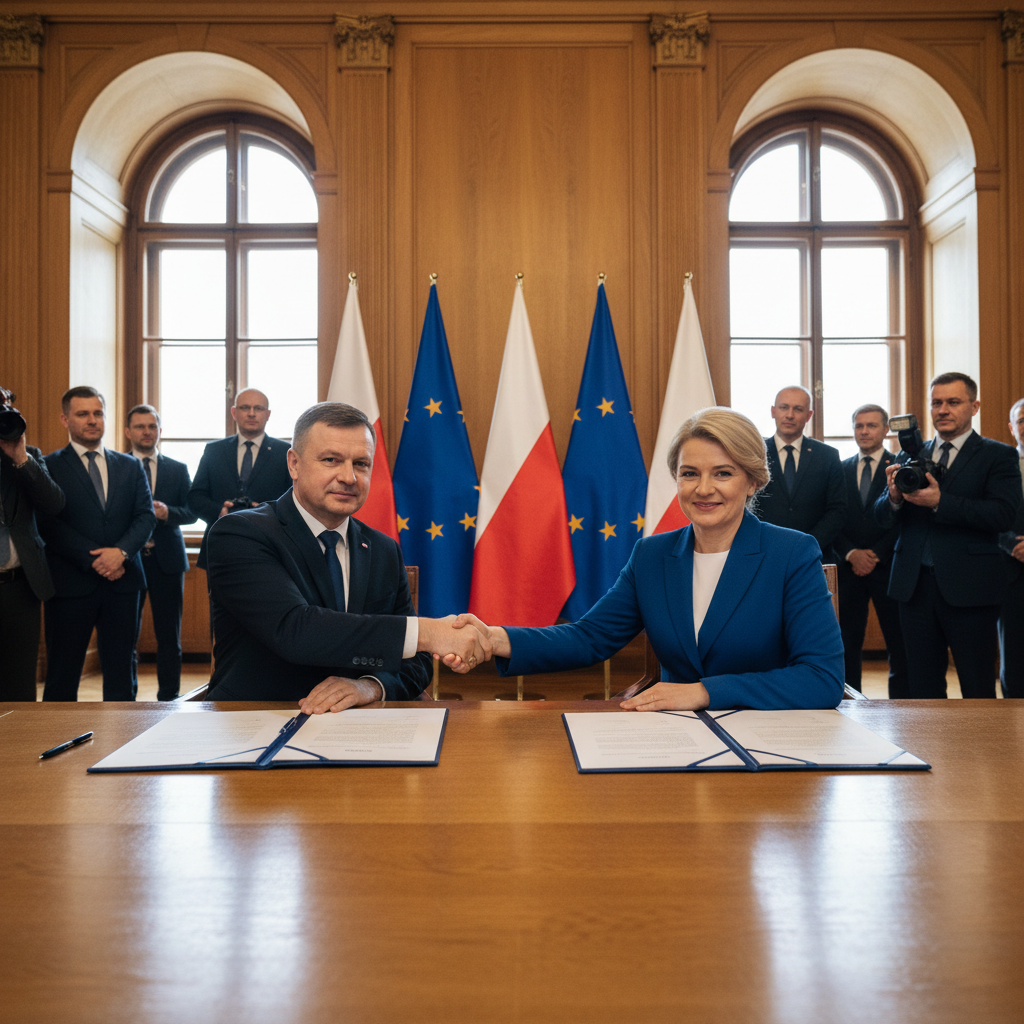
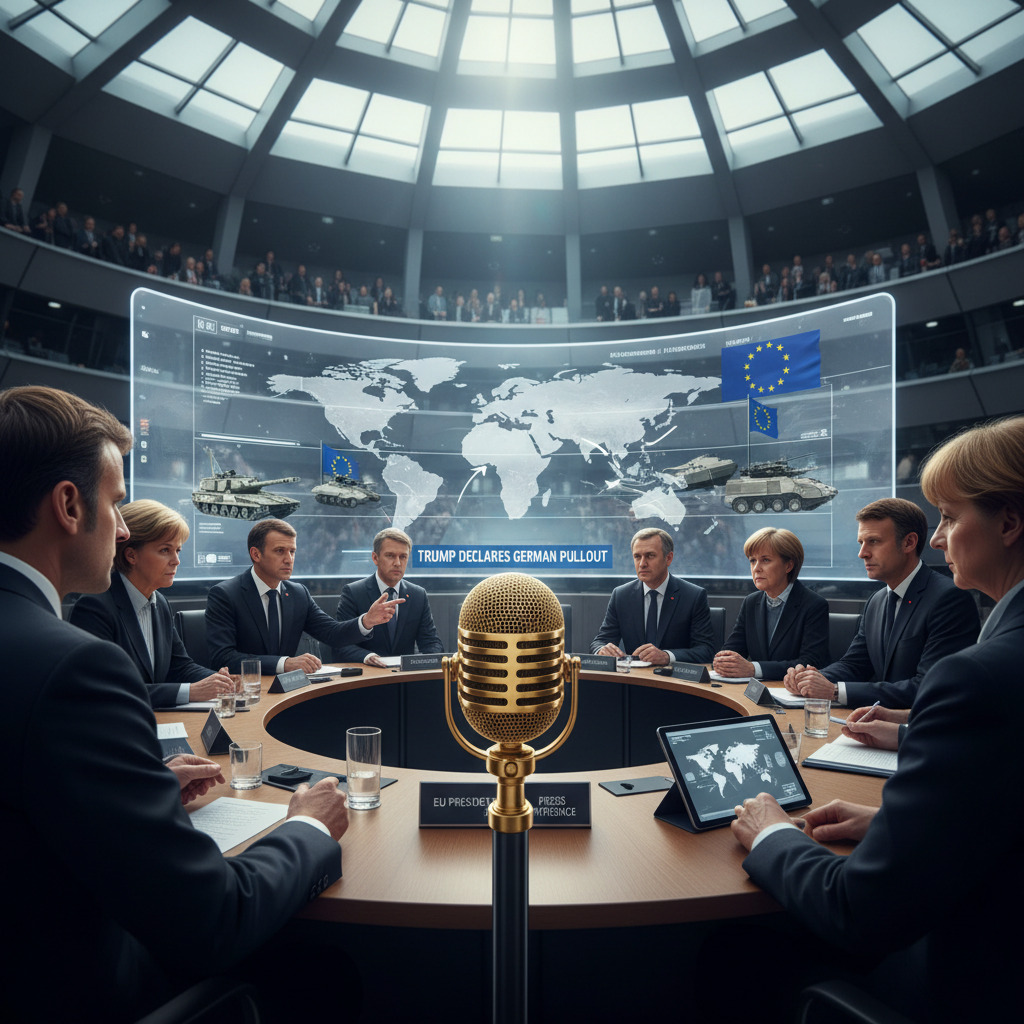
The pivot happened quietly, but it happened. European defence ministers, once reluctant to speak openly about military independence, are now openly discussing the need for integrated European defence industrial capacity — separate from, though complementary to, NATO structures.
The language has shifted from aspiration to necessity. Russia's continued aggression in Ukraine. Uncertainty about US political direction. China's military modernisation. The calculus is clear: Europe cannot assume American security protection indefinitely.
The Production Problem
Europe makes good weapons. But it makes them in silos. German tanks. French missiles. Swedish air defence. Swedish fighter jets. British naval systems. Each country optimises for domestic needs, not European interoperability.
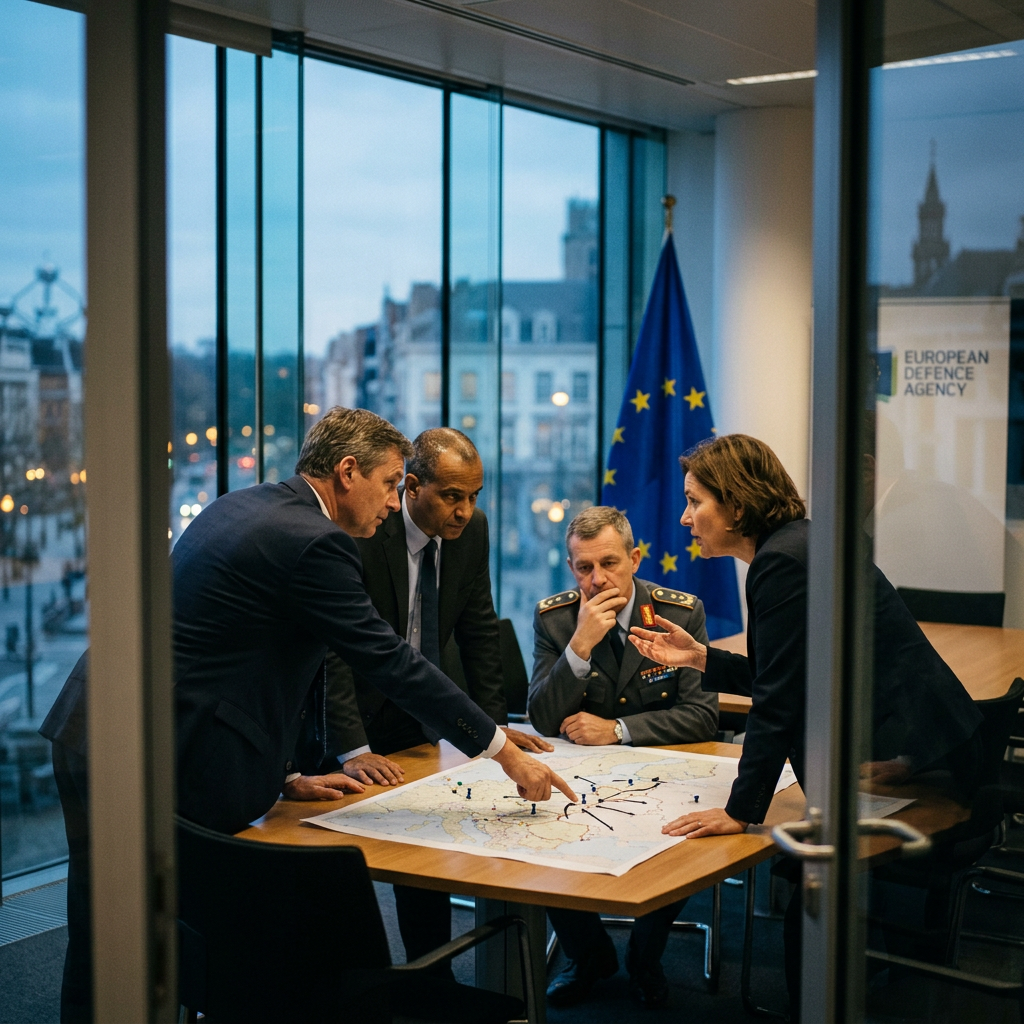
Integrating those supply chains — standardising ammunition, aligning component sourcing, coordinating production schedules — could cut costs by 20-30% and dramatically improve warfighting capability. But it requires countries to surrender some industrial sovereignty.
Political Obstacles
That's where things get complicated. Member states guard defence production jealously. Employment matters. Political influence matters. France won't cede missile production. Germany won't abandon tank manufacturing. Italy has national aerospace interests.
Yet the mathematics of future conflict favour integration. A divided European defence industry cannot match Chinese or Russian capabilities. The EU must choose: preserve national champions or build European capacity.
The next five years will determine whether Europe actually means what it says about strategic autonomy.
Study Tips & Discussion
(0)Log in to join the discussion.
No comments yet — be the first to share your thoughts!