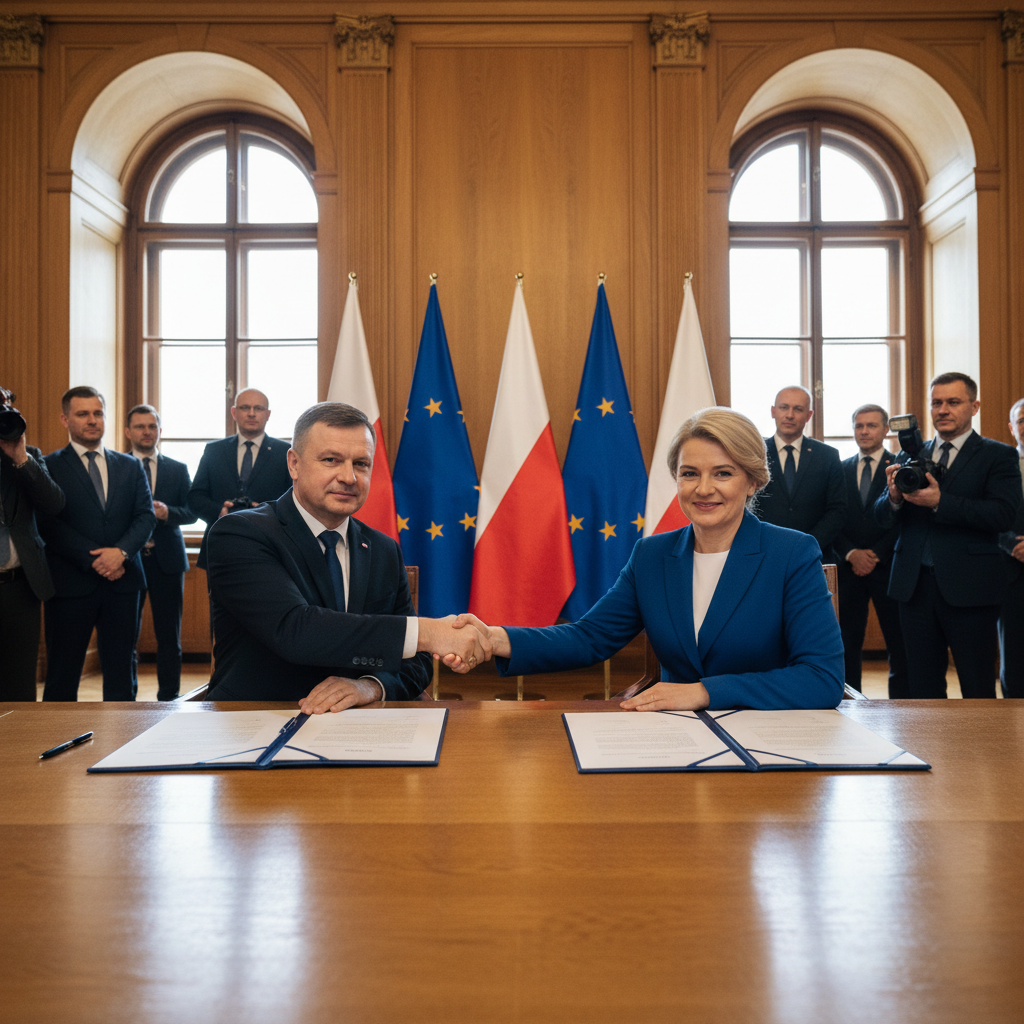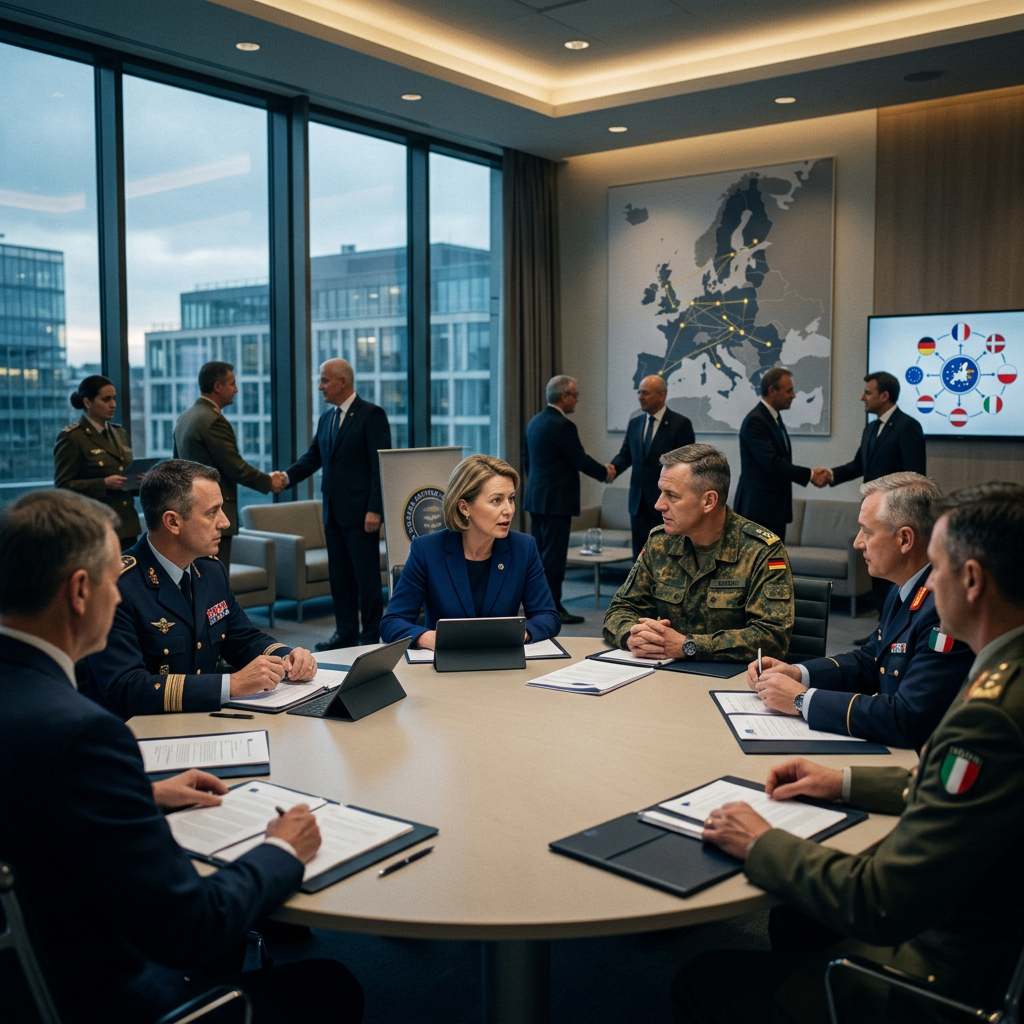
The Mutual Defence Clause is Not Just Rhetoric Anymore
Brussels is preparing operational protocols for invoking Article 42.7 of the EU Treaty. The move signals that Europe is treating NATO's future as uncertain — and planning for a scenario where the US is not the guarantor.
Deep inside the European External Action Service (EEAS), a quiet project has been underway for weeks. European diplomats are drafting an operational manual — a practical guide for member states on how to invoke Article 42.7 of the EU Treaty, the bloc's mutual defence clause.
It's the kind of administrative work that happens in the background of geopolitical strategy. It's also the kind of work you only do when you're serious about using something.
What Article 42.7 Actually Means
Article 42.7 says: if one EU member state is attacked, all others must provide "aid and assistance by all means in their power." It's the EU's version of NATO's Article 5. It has never been invoked. It has been cited mostly as rhetorical comfort — evidence that Europe has a collective defence mechanism.
Until now, it was treated as a safety net. An emergency protocol that would activate only in the direst scenario. That framing is changing.
Why Now
Trump has spent his first months back in the White House publicly questioning NATO's viability and hinting that US security guarantees are conditional on European defence spending and "fair" contributions. European leaders — especially from Eastern Europe — have concluded that treating US security guarantees as automatic is dangerous.
The EEAS manual project is their answer: if NATO becomes unreliable, the EU can activate its own mutual defence infrastructure. The manual will tell member states what invoking Article 42.7 looks like operationally — chain of command, decision-making procedures, support mechanisms.
The Wider Context
This is one piece of a broader European strategic autonomy agenda. EDIP funding for defence production. Renewed talk of a European Defence Fund. A mutual defence clause that's being operationalised rather than left rhetorical.
The message to Washington is clear: we hear you questioning NATO. We're building infrastructure so you don't have to be the only umbrella.
Article 42.7 has been on the books for 14 years. That Brussels is now writing an operational manual for it is how you know the era of American security guarantees being treated as permanent has ended.
Study Tips & Discussion
(0)Log in to join the discussion.
No comments yet — be the first to share your thoughts!